


Food is more than fuel—it is information for the body, medicine for the gut, and an investment in long-term health,” said scientist and nutrition educator Dr. Kalindi Bakshi, PhD, during a recent online session—From Plate to Health: Practical Strategies for Whole Food Plant-Based Living—hosted by Rakesh Bhargava on behalf of World Vegan Vision, with support from Plant Powered Metro New York.
During the session, Dr. Kalindi suggested that for a healthy body, people should rethink their relationship with food—not as a short-term diet but as a sustainable lifestyle to prevent and manage chronic illnesses. Drawing upon neuroscience, nutrition science, and years of experience in food innovation, she emphasized that healthy eating need not be complicated.
“Food as medicine is a very, very strong weapon. Whether you manage disease through lifestyle or medicine, food can be a game changer.”
She also underlined that meals should be tasty, nutritious, and sustainable, adding that habits—not perfection—ultimately determine long-term health.
“Whole food plant-based means more than being vegan,” Dr. Kalindi explained. She also said that while a vegan diet excludes animal products, it can still include refined and ultra-processed foods. A whole-food plant-based lifestyle goes a step further by prioritizing foods that are as close to their natural state as possible.
“A whole food plant-based diet essentially is minimally processed eating—choosing foods that are closest to their original form,” she said, citing examples such as eating an apple instead of drinking apple juice or choosing baked potatoes over French fries.
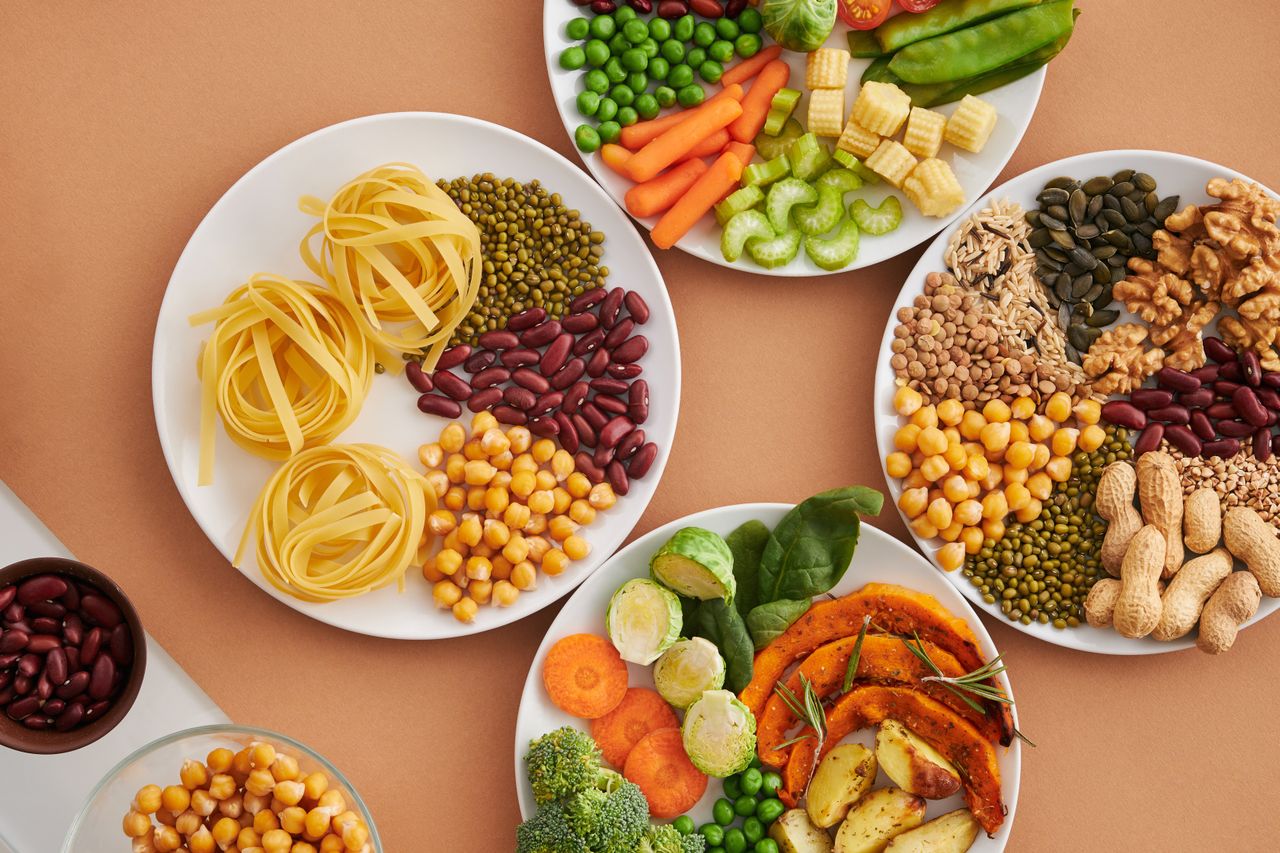
The foundation of the diet, she said, consists of fruits, vegetables, whole grains, legumes, nuts, and seeds while minimizing oil, sugar, and salt. Flavor, she added, should come from herbs and spices rather than excess fat or sodium.
Build the perfect plate
One of the session’s biggest takeaways was her simple formula for designing every meal.
Half the plate, she advised, should consist of colorful non-starchy vegetables such as leafy greens, broccoli, peppers, squash, and carrots. One quarter should be filled with plant proteins, including beans, lentils, tofu, or tempeh, while the remaining quarter should contain whole grains or complex carbohydrates such as quinoa, brown rice, barley, or millets.
“I want to really stress that when you are eating a whole food plant-based diet, you have to make sure that your plate looks like a rainbow. Ensure you are getting all your macros and micronutrients; keep switching your veggies; keep switching your beans, lentils, or legumes; and also have a variety of different whole grains,” she said. “Variety is the key.”
Protein is everywhere in plants
Responding to one of the most frequently asked questions about plant-based nutrition, she clarified, “Protein is in everything that you eat. Focus on variety. Variety is the key, and variety is the flavor.”
She explained that vegetables, legumes, whole grains, nuts, and seeds all contribute protein and, when consumed in variety throughout the day, provide a complete amino acid profile.
She also recommended mixing different lentils with quinoa, adding beans to salad bowls, and using foods such as tofu and quinoa as “blank canvases” that absorb the flavors of different cuisines.
Fiber: The unsung hero
Fiber should be an integral part of our meals, but it is often ignored. According to Dr. Kalindi, fiber slows digestion, stabilizes blood sugar, supports beneficial gut bacteria, and promotes healthy bowel function. People trying to manage diabetes, she said, should choose whole fruits over juices and favor steel-cut oats, whole grains, and legumes over refined carbohydrates.
“If you’re working towards preventing, managing, or reversing Type 2 diabetes, fiber is your best friend.”
She also noted that a healthy gut nourished by fiber reduces the need for additional probiotic supplements because plant fiber foods naturally support a diverse gut microbiome.
Micronutrients matter
While a whole-food plant-based diet is naturally rich in vitamins and minerals, it is crucial to monitor vitamin B12 and vitamin D levels with blood tests and supplement them as needed.
“Nutritional yeast is a useful source of vitamin B12,” she said while emphasizing the importance of consulting healthcare providers before making supplementation decisions.

Healthy doesn’t have to be bland
Dispelling the myth that healthy food lacks flavor, Dr. Kalindi encouraged participants to experiment with spices, herbs, citrus, vinegars, and oil-free dressings.
“Flavor comes from spices, herbs… You do not need sugar or salt or oil to increase or add flavor to food,” she said.
“I recommend including healthy fats in your diet. Healthy fats are essential. Include foods like nuts, seeds, and avocados—they support your body’s metabolic functions while providing important nutrients,” she added.
“Oil isn’t what gives food its flavor. Your spices are your flavor that comes from herbs, spices, and natural ingredients. We’ve grown up believing Indian cooking needs oil, but that’s more of a mindset than a necessity.”
She also advised roasting, baking, braising, and steaming vegetables to create varied textures and tastes instead of overcooking them.
Build habits, not perfection
For those beginning their health journey, Dr. Kalindi recommended starting with just one meal each day rather than attempting an overnight transformation.
She encouraged meal preparation on weekends, involving family members in cooking and adopting an “80/20 approach”—making 80 percent of meals healthy before striving for complete consistency.
“Habit over perfection,” she advised. “Invest in yourself. This is the best way to give yourself a health span.”
Lifestyle shapes health
Closing the session, Dr. Kalindi reminded listeners that while genetics cannot be changed, lifestyle choices can influence how genes are expressed.
Quoting a popular saying, she observed: “Genetics is a loaded gun. Lifestyle pulls the trigger.”
Her message was simple yet profound: every meal is an opportunity to improve not only longevity but also the quality of life. By embracing colorful, minimally processed, plant-based foods, individuals can build stronger bodies, healthier minds, and a more resilient future.
Both Rakesh Bhargava and Dr. Kalindi, however, cautioned participants that the session was intended for educational purposes and that dietary changes should not replace professional medical advice. They urged attendees to consult their physician or healthcare provider before making decisions related to their individual health needs.

About Dr. Kalindi Bakshi
Dr. Kalindi Bakshi has a Ph.D. in Neuroscience from the City University of New York (CUNY) and is a whole-food, plant-based nutrition advocate. She is the founder of Plantology Fuel, a health and lifestyle TV show, and heads Life Sciences and Food Innovation for Middlesex County, New Jersey. Grounded in neuroscience and nutrition education, she translates complex science into practical guidance for healthier living. A former president of the New Jersey chapter of World Vegan Vision, she is also known for her cooking show, Deliciously Plant-Based, which promotes holistic nutrition, women’s wellness, and disease prevention.

Leave a Reply