


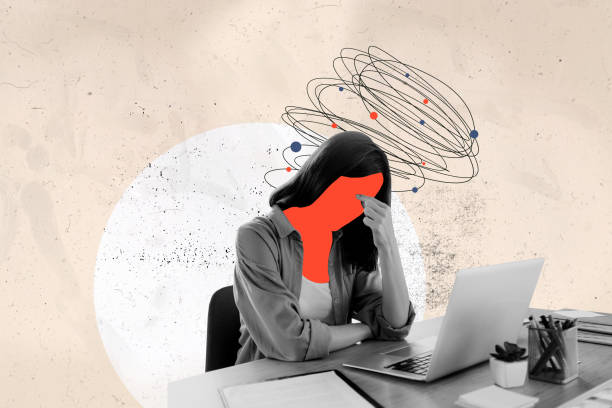
Mental health is something most of us don’t think about until something feels off. We go through our days focusing on work, family, responsibilities, and deadlines, often ignoring how we actually feel inside. Stress, worry, emotional tiredness, and feeling overwhelmed have become so common that many people see them as a normal part of life. But just because these feelings are common doesn’t mean they should be ignored.
Everyday mental health challenges may not always seem serious, but when they stay for too long, they can quietly affect our mood, energy, relationships, and even physical health. Understanding these challenges helps us take better care of ourselves and live more balanced lives.
What Do We Mean by Everyday Mental Health Challenges?
Everyday mental health challenges are the emotional struggles people experience as part of normal life. These can include constant stress, feeling anxious for no clear reason, mental exhaustion, or losing motivation. They are not always diagnosed conditions, but they still affect how we think, feel, and function.
Many people wake up already feeling tired, worried about the day ahead, or mentally drained before anything even starts. Over time, these feelings become familiar, and we start to believe this is just how life is. In reality, these are signs that our mental well-being needs attention.
Why Do These Challenges Happen?
There is usually no single reason behind mental health challenges. They build up slowly from different parts of life.
Work is a major source of stress for many people. Long hours, pressure to perform, job insecurity, and lack of balance between work and personal life can leave the mind constantly active and exhausted.
Personal responsibilities add another layer. Managing relationships, family expectations, caregiving, and daily tasks without enough support can feel overwhelming. Many people feel they have to manage everything alone.
Money worries also take a mental toll. Thinking about bills, savings, and future security can create ongoing stress and anxiety.
Lifestyle habits matter too. Poor sleep, irregular meals, little physical activity, and spending too much time on phones or screens can quietly affect mood and energy levels.
Over time, all these small pressures add up and begin to affect mental health.
Signs We Often Ignore
Mental health challenges don’t always show up in obvious ways. In fact, many signs are easy to dismiss.
Emotionally, a person might feel irritated, sad, or worried more often than usual. Small things may feel overwhelming. Some people feel emotionally numb or disconnected from things they once enjoyed.
Mentally, there may be constant overthinking, difficulty focusing, negative thoughts, or feeling mentally “foggy.” Making decisions may feel harder than it used to.
The body also sends signals. Ongoing tiredness, headaches, body pain, sleep problems, or changes in appetite can all be connected to mental stress.
Because these signs develop slowly, people often ignore them until they start affecting daily life.
How Mental Health Affects the Whole Body
The mind and body are closely connected. When the mind is under constant stress, the body feels it too.
Long-term stress keeps the body in a state of tension. This can disturb sleep, lower energy levels, and weaken immunity. People may get sick more often or feel tired even after resting.
Emotionally, unmanaged mental stress can lead to low confidence, lack of motivation, and pulling away from others. Relationships may suffer because emotional energy is low.
Mental health challenges don’t stay in one part of life. They quietly influence everything.
Who Is More at Risk?
Anyone can experience mental health challenges, but some situations increase the risk.
People in high-pressure jobs or unstable work environments often feel constant stress. Lack of emotional support from family or friends can also make coping harder.
Major life changes such as losing a job, moving, relationship problems, or loss of a loved one can deeply affect emotional balance.
Ignoring self-care, pushing through exhaustion, and relying on unhealthy ways to cope can keep stress building over time.
Knowing these risk factors helps people recognize when they need to slow down and seek support.
Ways to Cope in Daily Life
Coping with mental health challenges doesn’t always require big changes. Small, simple actions can help.
Taking short breaks during the day helps the mind reset. Deep breathing, stretching, or a few quiet moments can reduce stress.
Having a basic daily routine creates a sense of stability. Setting realistic goals instead of trying to do everything at once reduces pressure.
Physical movement helps more than many people realize. Even a short walk can improve mood and clear the mind.
Reducing screen time, especially before sleep, helps calm the brain and improve rest.
These small steps, practiced regularly, can make everyday challenges feel more manageable.
Lifestyle Habits That Support Mental Well-Being

Good mental health is supported by everyday habits.
Sleep plays a big role. Getting enough rest helps regulate emotions and improves focus. A regular sleep routine can make a noticeable difference.
Eating balanced meals and staying hydrated support brain function and energy levels.
Staying connected with people we trust provides comfort and emotional relief. Talking, sharing, and feeling understood reduces loneliness.
Spending time on hobbies or activities we enjoy gives the mind a break from stress and responsibility.
Preventing Mental Health Struggles Before They Grow
Prevention is often easier than recovery. Paying attention to emotions and stress levels helps catch problems early.
Taking breaks, setting boundaries, and learning to say no when needed protects mental energy. Reflecting on feelings through journaling or quiet time increases self-awareness.
When mental health becomes a regular priority, balance becomes easier to maintain.
When Professional Help Is Needed
Sometimes, personal efforts are not enough—and that’s okay. If stress, anxiety, or low mood lasts for a long time or starts affecting work, relationships, or daily functioning, professional support can help.
Mental health professionals provide guidance, understanding, and tools to manage challenges in healthier ways. Seeking help early can prevent problems from becoming more serious.
Asking for help is not a failure. It is a step toward taking care of oneself.
Final Thoughts
Everyday mental health challenges are part of being human, especially in today’s fast-moving world. But living with constant stress or emotional exhaustion doesn’t have to be normal.
By paying attention to our feelings, making small changes, and seeking support when needed, we can protect our mental well-being. Taking care of the mind is just as important as taking care of the body—and both deserve time, care, and understanding.

Leave a Reply