



Many years ago, on a devastated flood plain in New Orleans in America’s south, amidst the wreckage of a terrible storm, one tree still stood. It was not particularly large, nor especially imposing. But it had survived while nothing else around it had.
On closer inspection, it turned out not to be one tree at all, but two, grown so completely together over the years that they had become a single living thing. One had developed deep, anchoring roots, while the other had grown with unusual flexibility, its fibers trained by years of wind to bend without breaking. Alone, neither would have survived. Together, they were constituted for this exact moment.
As clergy, we often find God’s teachings in nature, both about the miracles that surround us and our responsibility to honor them, as well as lessons that can be applied to our own lives. This conjoined tree reflects the resilience and ingenuity of nature to survive even the most devastating moments. It is also, for us, a powerful model of partnership and collective survival and growth. It reminds us as communities of diverse faiths that we too are intertwined, bringing unique and complementary gifts, and strengthening each other against the storms that our broken world now faces.
The architecture of exhaustion
We are living through a season of extraordinary turbulence. The news arrives in waves, each one carrying a demand: respond to this. Be defined by this. Let this determine your mood, your identity, your sense of whether the world is safe. The cumulative effect is exhaustion, a great weariness; not from any single catastrophe, but from the relentless pull of a thousand urgent moments.
We two, a pastor and a rabbi, are writing this together because we keep hearing the same thing from the people in our care. In pastoral conversations, in the hallways after services, in the messages that arrive late at night: our congregants are exhausted. Not from overwork, though there is plenty of that. Rather, their exhaustion stems from the weight of a world that demands constant reaction and offers no place to stand. We are pastors, not pundits, and we have no political answer to offer. But we believe our traditions have something to say to that exhaustion. And we wanted to say it together.
Here is the first thing we want to say: chaos is not an accident. It is a strategy as old as Pharaoh. Exhausted people stop asking hard questions. People whose sense of reality is constantly destabilized become easier to manipulate and less likely to notice what is actually happening and who it is serving. The relentless churn of outrage, arriving before the last outrage has been processed, does not simply happen. It is cultivated. Systems that prefer their subjects too reactive to be truly free have always known how to manufacture it.
Our traditions have always known this too. The Torah’s central story begins exactly here: a people too depleted by empire to imagine an alternative. What changes them is not a political victory. It is a formation. Forty years of wilderness, covenant, and the slow recovery of an identity that Pharaoh could not give and could not take away. They learn that they already know who they are. That knowledge turns out to be the most subversive thing imaginable.
Long Island needs something like that formation right now. Not withdrawal from public life. The suffering around us is real and demands sustained engagement. But a recovery of the rootedness that makes genuine engagement possible, as opposed to the reactive exhaustion that merely performs it.

To walk by the water, to notice the season turning, this is not escapism. It is theological attentiveness. Creation cannot be manipulated by manufactured chaos. It simply does what it was made to do: moves through its cycles, tends toward fruitfulness, orients toward life. When we attend to it with intention, we are apprenticing ourselves to that same orientation.
Recalibrating in the wilderness
The natural world is doing this work constantly, and largely without our attention. The cycles of Long Island Sound continue undisturbed by the news. The ospreys will return when they return. The ice gives way when it gives way. Nothing decided in any center of power will alter those rhythms by a single day. Creation has been oriented toward restoration and flourishing since long before any of our current crises. It will continue after them. Paying attention to that is not escapism. It is a recalibration. A way of remembering which forces are ultimately more powerful, and which story we are actually in.
From the edge of St. John’s Pond in Cold Spring Harbor, Gideon has been watching the water move through this late winter with something close to gratitude. Not because it is beautiful, though it is. But because it is telling the truth in a season when so much is designed to obscure it. Beneath the ice, the slow chemistry of life continues: microorganisms, root systems, the patient cycling of nutrients through water and soil, indifferent to the news, unimpressed by the chaos, oriented as always toward spring. The red-winged blackbirds will arrive when they arrive. The ice will give way when it gives way. Nothing being said or done in any center of human power will alter that by a single day.
Judaism, too, has a practice of celebrating that which we cannot see, but which we know is quietly growing under the surface. All around us is a winter stillness, but there is something present beneath that stillness, a patience that does not require our attention to continue its work. Outside of her house, Ilana notices the way the February snow melts to reveal the Tulip bulbs that are readying themselves to burst open. Even after the harshest winter of recent memory, the bulbs seem to declare, we are still here.
Standing in our different places, we are receiving the same word. The Source of life works slowly, patiently, unrelentingly, and always in the direction of flourishing. Every returning spring is a word of assurance. Every seed breaking open in darkness is a parable of renewal. Every river that begins to heal once the burden on it is lightened is testimony that restoration is not a distant hope. It is an active, present force, waiting for the conditions that allow it to work.
The chaos of any given moment is real. Its effects on the most vulnerable are real and demand our solidarity. But chaos is operating against a current incomparably more powerful than itself. Attending to nature is how we keep that perspective. It is how we remember which story we are actually in.
To walk by the water, to notice the season turning, this is not escapism. It is theological attentiveness. Creation cannot be manipulated by manufactured chaos. It cannot be exhausted by the news cycle. It simply does what it was made to do: moves through its cycles, tends toward fruitfulness, orients toward life. When we attend to it with intention, we are apprenticing ourselves to that same orientation.
This is where the two trees become our teachers. Like them, we need the deep roots: the ancient things that do not move, the texts, the prayers, the practices, the communities gathered week after week around the same questions of meaning and obligation. And we too need the flexibility: the genuine openness to be moved by what is moving, to bend toward the neighbor in need, to let the spirit take us somewhere uncomfortable. Rigidity without flexibility becomes brittle. Flexibility without roots is simply being blown around. Together, grown into each other over time, they are resilient. The capacity to survive the storm not by avoiding it but by being constituted for it.
The anatomy of solidarity
None of this counsels indifference to suffering. The most vulnerable among us do not have the option of tuning out. They live in the consequences of the chaos that the rest of us are merely invited to react to. What they need from us is not gesture, not outrage that cycles and moves on, but sustained, costly solidarity. The kind that requires a self stable enough to stay, to show up, to give over the long term. Reaction is cheap and brief. Solidarity is expensive and enduring.
You cannot sustain it if the chaos has already hollowed you out. This too is what the trees can teach us, how diverse communities can stand in solidarity together, forming a collective strength from unique gifts poised to face and overcome the storms that face our world today.
The spirituality of resistance is not a retreat from the suffering of the world. It is the formation of the kind of person who can actually help.
So we are inviting our communities, in this season, to practice resistance together. To notice when we are being pulled toward reaction and ask: what would it mean to respond from my center rather than my anxiety? To let the rhythms of our traditions, not the news cycle, set our internal calendar. To walk by the water and receive what it is offering. To bring our full, rooted selves to the real suffering around us, not as spectators managing their responses, but as people who have somewhere to stand and something genuine to give.
The storm has come before. The seasons have continued. The roots have held.
Creation has been telling us this all along.
Questions for reflection
- Where do you feel most captured by the chaos of the present moment?
- What practices help you return to your center?
- When did you last allow the natural world to recalibrate you?
- How might your stability become a gift to someone whose ground feels less certain?
- How do you build solidarity with others in a way that can strengthen you?
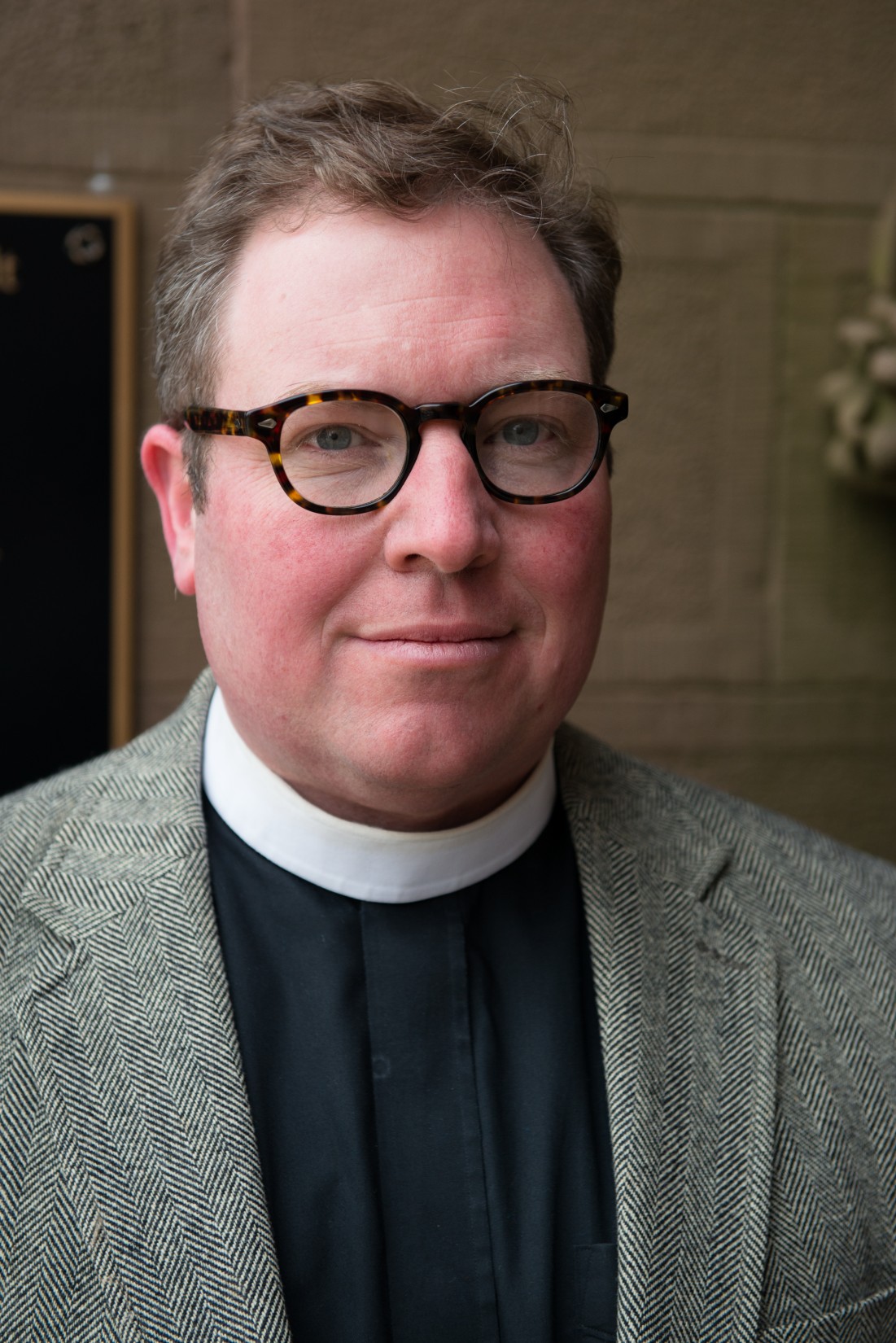
The Rev. Gideon L. K. Pollach is Rector of St. John’s Episcopal Church in Cold Spring Harbor, NY
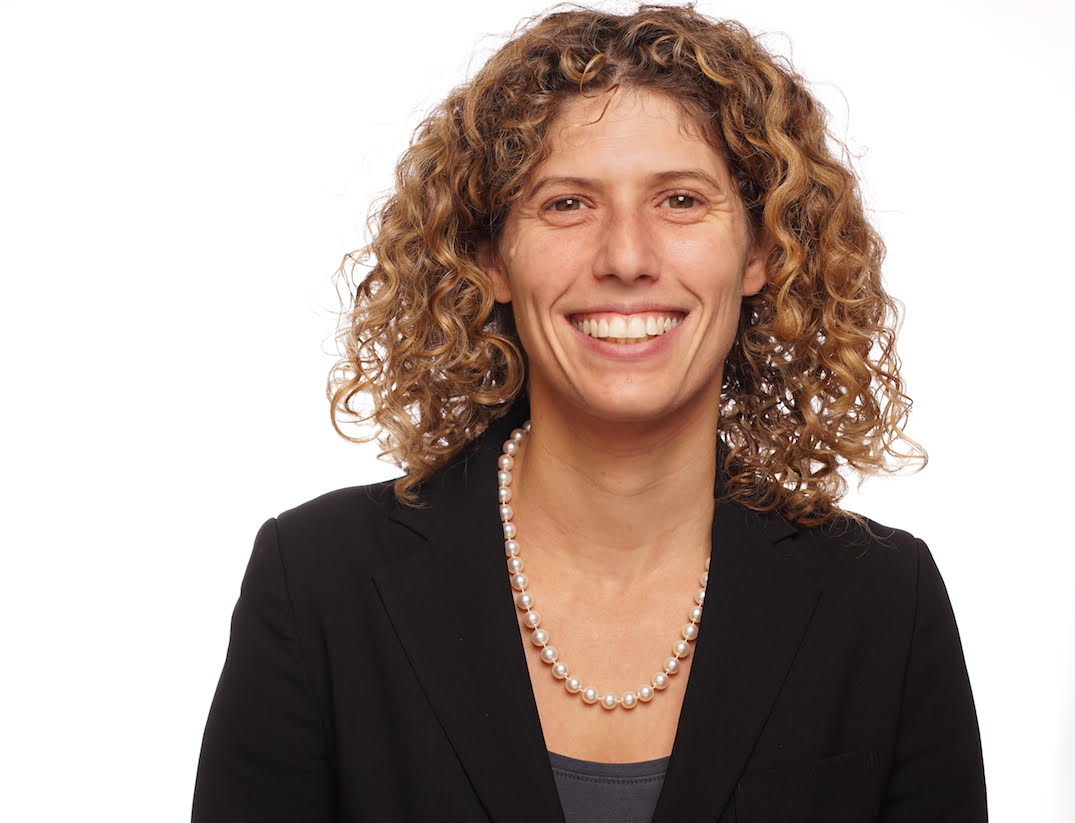
Rabbi Ilana Schachter serves at Temple Sinai of Roslyn inRoslyn, NY
Leave a Reply