


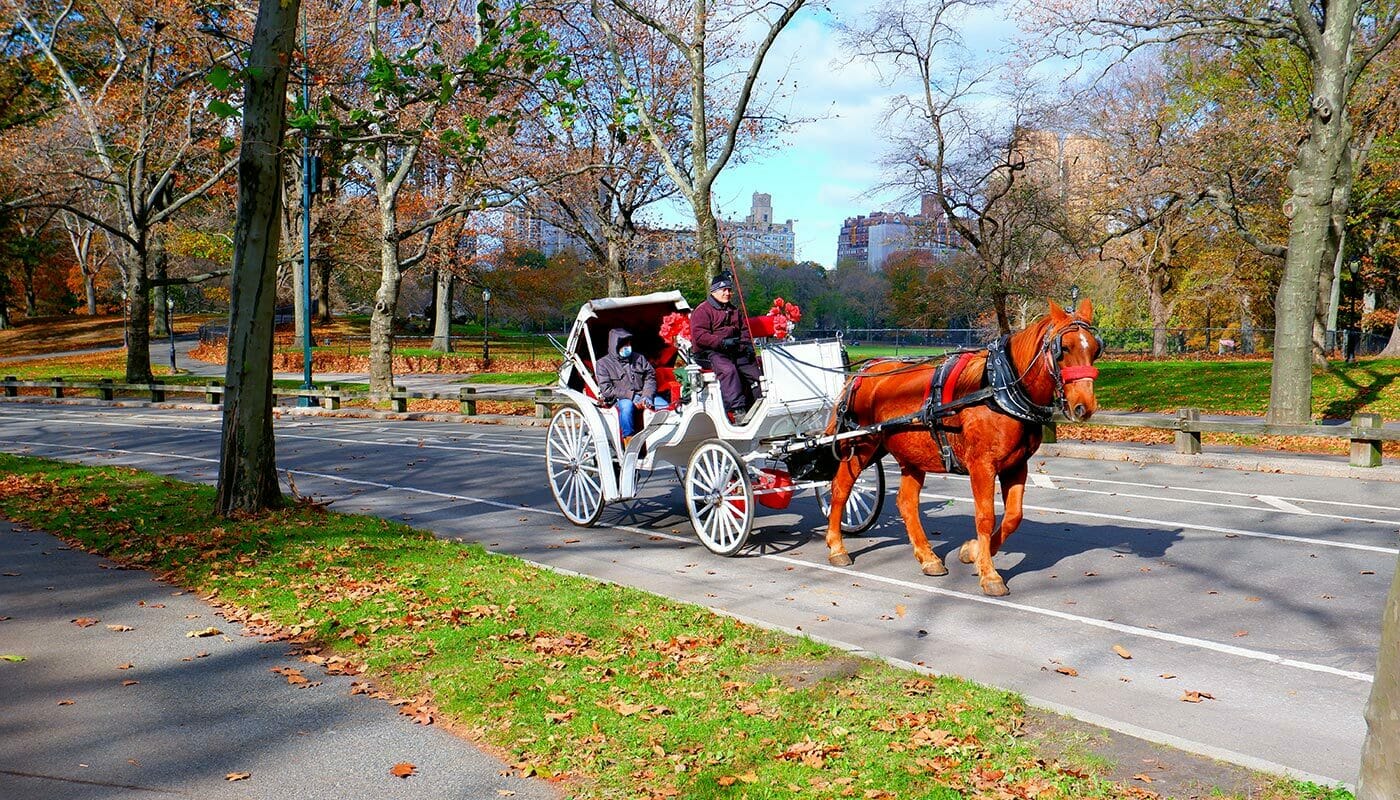
For 150 years, horse-drawn carriages have been part of Central Park. On November 19, Mayor Zohran Mamdani signed legislation to end them. Romanch’s Law, the Central Park horse carriage ban at the center of the Mamdani carriage ban debate, phases out the city’s horse-drawn carriage industry by June 2028. No new carriage licences will be issued.
“For 150 years, horse-drawn carriages have been a fixture of Central Park. Today, we are bringing that chapter to a close,” Mamdani said as he signed the bill.
Who was Romanch Mahajan?
The legislation was first proposed as Ryder’s Law. It was renamed in memory of Romanch Mahajan, an 18-year-old tourist from India who died after a horse-drawn carriage bolted in Central Park and threw him to the ground as he tried to save his mother.
Mamdani said Romanch’s parents wanted him remembered for who he was, not for how he died. He described Romanch as “an avid sneaker collector and the best friend of his younger brother.”
When does the NYC horse carriage ban take effect?
The horse carriage ban takes effect on June 1, 2028. Until then, existing operators can continue, but the city will issue no new licenses. The NYC horse carriage ban for 2028 is a phase-out, not an overnight shutdown, which gives the city time to plan for the people and animals involved.
What the ride has meant to Central Park
Carriage rides have long been a traditional way for visitors to see the park. Private rides start at about $95 for a 20-minute loop near Wollman Rink and the Pond. Longer rides toward Bethesda Terrace and Bow Bridge can cost $150 or more. Most carriages seat up to four, and operators set their own rates within city limits.
What happens to the workers and the horses?
The phase-out affects roughly 200 workers. The administration has pledged a transition plan by April 2027 covering carriage drivers, stable hands, and medallion owners. Proposed measures include job training, career assistance, and medallion buybacks. The city has also committed to retiring the horses humanely and ensuring they are properly cared for.
“This industry will come to an end, and we have a responsibility to the workers whose livelihoods depend on it,” Mamdani said. “We will work alongside them to ensure they have the financial support and career opportunities they need to build their next chapter.”

NYC free pet food: the other side of the animal welfare agenda
The carriage ban is not the administration’s only animal welfare move. On October 19, New York launched free pet food at 22 city-funded food pantries across all five boroughs. The NYC free pet food program, backed by a $500,000 city investment, was announced by the City Council, the Mayor’s Office of Animal Welfare, and the Department of Social Services.
“No New Yorker should have to choose between feeding themselves and feeding their pets,” Mamdani said. “Keeping families together means keeping pets at home, too.”
The pressure is real. Food costs in the New York metropolitan area rose 56.2% between 2012–13 and 2022–23, ahead of the 46.4% national increase, according to the state comptroller. A 2026 estimate puts the annual cost of owning a dog in New York at about $3,654 and a cat at $2,268.
Shelter data shows the strain. A May 2026 city comptroller report found that nearly 14,800 animals entered city shelters each year across fiscal years 2023–2025. Over those three years, 18,293 animals were surrendered by their owners, about 41% of all intake.
The pet food program sits within a wider push on food assistance. Earlier this year, Mamdani tripled baseline funding for the Community Food Connection program, which supports more than 700 pantries. Together with the City Council, his administration has allocated $78 million for food distribution in fiscal year 2027.
A broader idea of care
Taken together, the two measures show an animal welfare policy that covers humane treatment, fair transitions for workers, and help for families struggling to keep their pets.
A separate proposal could also change how New York’s kitchens operate. On November 18, NYC Council Members Oswald Feliz and Harvey Epstein put forward a bill to stop restaurants and other food businesses from cooking crabs, lobsters, and similar shellfish while they are still alive. Supporters point to scientific research suggesting these animals suffer when they are boiled without first being stunned. Under the proposal, a business would face a fine of up to $100 for each repeat offense.
If the council passes it, the rules would start 180 days later.
FAQs
What is Romanch’s Law?
Romanch’s Law is New York City legislation that phases out the city’s horse-drawn carriage industry. Mayor Zohran Mamdani signed it on November 19. It was first proposed as Ryder’s Law and renamed in memory of Romanch Mahajan, an 18-year-old tourist from India who died after a carriage bolted in Central Park.
Why is the law named after Romanch Mahajan?
The bill was renamed in his memory after his death in Central Park. Mayor Mamdani said his parents wanted him remembered for who he was, not for how he died.
Is the Central Park horse carriage ban immediate?
No. It is a phased ending, not an overnight shutdown. Existing operators can continue until the 2028 deadline.
When does the NYC horse carriage ban take effect?
The phase-out is complete by June 1, 2028. No new carriage licences will be issued in the meantime.
What will happen to the carriage workers?
The city has pledged to release a transition plan by April 2027. Proposed measures include job training, career assistance, and medallion buybacks.
What will happen to the horses?
The city has committed to retiring the horses humanely and ensuring they are properly cared for. Specific details have not yet been announced, so this answer may need updating once the transition plan is released.
What does a Central Park carriage ride cost?
Private rides start at about $95 for a 20-minute loop. Longer rides of 45 minutes to an hour can cost $150 or more. Operators set their own rates within city limits. Note that this applies only until the phase-out is complete.
Where can New Yorkers get free pet food?
At 22 city-funded food pantries across all five boroughs. The program began on October 19 and is backed by a $500,000 city investment.
Is there a proposal to ban boiling live lobsters in NYC?
Yes, but it has not passed. Council Members Oswald Feliz and Harvey Epstein introduced a bill on November 18 that would stop restaurants and food businesses from cooking crabs, lobsters, and similar shellfish while alive. Repeat violations would carry fines of up to $100, and the rules would start 180 days after passage.

Leave a Reply